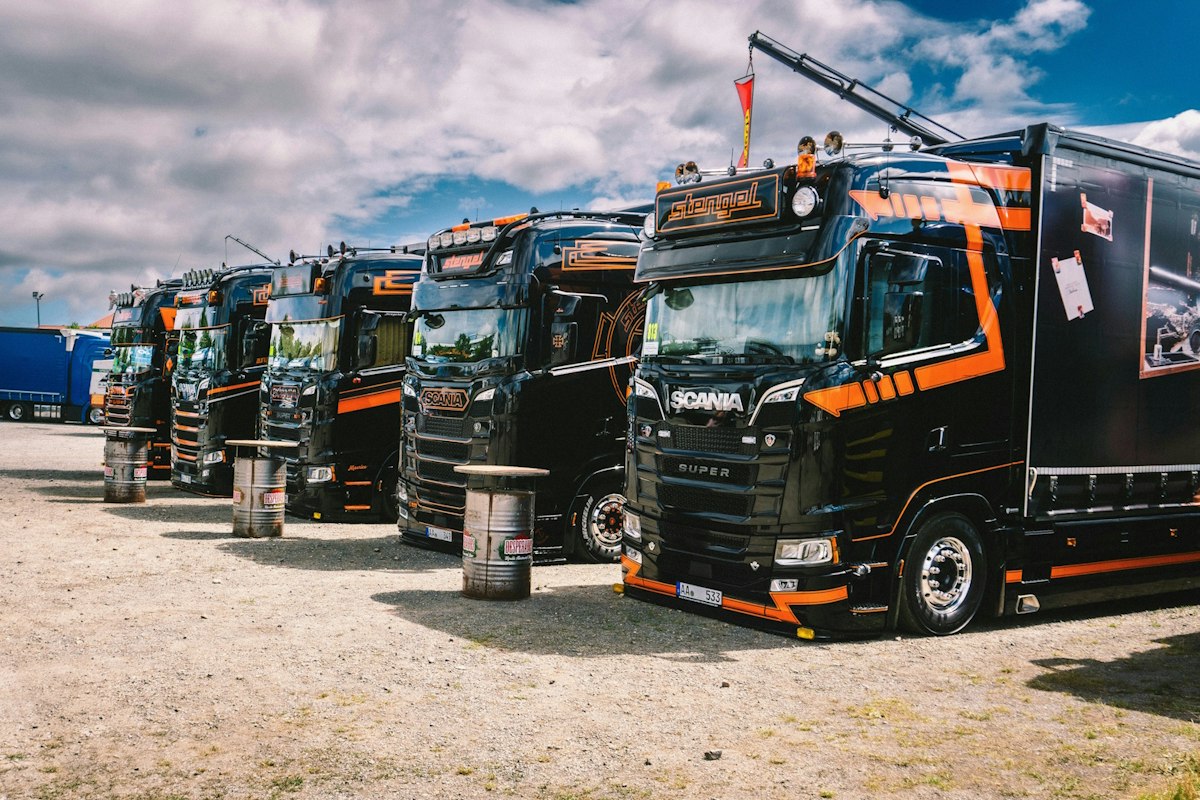
Most businesses rely on a few key assets. It might be the van behind your delivery round, the digital printer that keeps your print business running, or the machinery on your workshop floor.
When one of these needs buying or replacing, the big question is how to pay for it. Should you buy it outright, spread the cost with finance, or lease it?
There’s no single right answer. It depends on your cash flow, how long you’ll keep the asset, whether you trade as a company or a sole trader, and the tax position. Here’s what to weigh up.
Your three main options
Buying outright means you pay the full price up front and own the asset straight away.
Hire purchase (HP) means you pay in instalments and usually become the legal owner once the final payment is made. For tax purposes, HP is treated much like buying.
Leasing means you pay to use the asset for an agreed period, but the finance company keeps ownership. Common types are finance leases and operating leases (often called contract hire for vehicles). At the end, you may return the asset, extend the lease or, in some cases, help arrange its sale.
Buying: the advantages and drawbacks
Once you’ve paid for it, the asset is yours to use for as long as you like. There are no monthly payments, mileage limits or return conditions, and you can sell it if your needs change. Buying also usually gives access to the most generous tax reliefs (more on that below).
The drawback is the cash outlay. A large payment can squeeze your working capital and leave less for stock, wages or growth. If you borrow to buy, you take on a loan with interest to pay. You’re also responsible for repairs, and most equipment loses value over time.
Leasing: the advantages and drawbacks
Leasing needs far less cash up front, and the fixed monthly payments make budgeting easier. It can also make it simpler to upgrade to newer equipment, and some agreements include maintenance.
On the other hand, you don’t own the asset. Once interest and fees are included, the total cost is often higher than buying. Lease agreements can include mileage limits, condition charges and early termination fees, so read the terms carefully. If you fall behind with payments, the finance company can take the asset back, which could seriously disrupt a business that depends on it.
How the tax treatment differs
The figures in this section are correct at 25 September 2026.
When you buy plant or machinery, including on HP, you can usually claim capital allowances. The Annual Investment Allowance (AIA) gives 100% relief on up to £1 million of qualifying spending a year, and both companies and unincorporated businesses can claim it. Companies can also claim full expensing on new, unused main-rate plant and machinery.
From 1 January 2026, a new 40% first-year allowance is available on new, unused main-rate plant and machinery. It can help where the AIA or full expensing isn’t available. Any cost you don’t relieve up front is written down over time. The main rate of writing-down allowance fell from 18% to 14% in April 2026.
With HP, you’re treated as the owner from the start. This means you can claim capital allowances on the full cost once the asset is in use, while the interest is deducted as a business expense.
Cars follow different rules. They don’t qualify for the AIA, full expensing or the 40% allowance. Instead, they receive writing-down allowances at 14% or 6% a year depending on CO2 emissions. New zero-emission cars currently qualify for a 100% first-year allowance until 31 March 2027 for companies and 5 April 2027 for unincorporated businesses.
If you’re a sole trader using the cash basis, which has been the default since April 2024, most equipment costs are simply deducted as expenses when you pay for them. Cars still go through capital allowances.
With leasing, the rental payments are generally deductible as a business expense. For cars with CO2 emissions above 50g/km, 15% of the rental is disallowed for tax. This restriction doesn’t apply to vans.
If you’re VAT-registered, you can normally reclaim only 50% of the VAT on a leased car’s rentals where there’s any private use. VAT on buying a car usually can’t be reclaimed unless the car is used exclusively for business. For vans and equipment, VAT is generally reclaimable under the normal rules.
What about your accounts?
Buying with a loan adds both an asset and a liability to your balance sheet. It doesn’t make your business more or less valuable on day one.
For leases, the rules have recently changed. For accounting periods beginning on or after 1 January 2026, most leases must appear on the balance sheet of companies preparing FRS 102 accounts, including small companies. There are exemptions for short-term and low-value leases. Micro-entities using FRS 105 are not affected. If you have bank covenants or are seeking finance, it’s worth checking how this could change your figures.
Questions to ask before you decide
- How long will you keep the asset, and how quickly will it become outdated?
- Can you pay for it without putting pressure on your cash flow?
- What is the total cost over the term, including interest, fees and end-of-term charges?
- Will you have enough profit to use the tax relief this year?
- How does VAT affect the cost?
- What happens if you need to end the agreement early?
Talk to us before you sign
Whether to buy or lease is rarely a straightforward decision, so it pays to talk it through before you commit. We can compare the after-tax cost of buying, HP and leasing for your business, review your cash flow and help you time the purchase.
Contact us to arrange a chat.
This article is general information based on our understanding of UK tax law and practice at the date of publication. It is not advice for your specific circumstances, so please speak to us before acting on it. See our Terms & Conditions for full details.